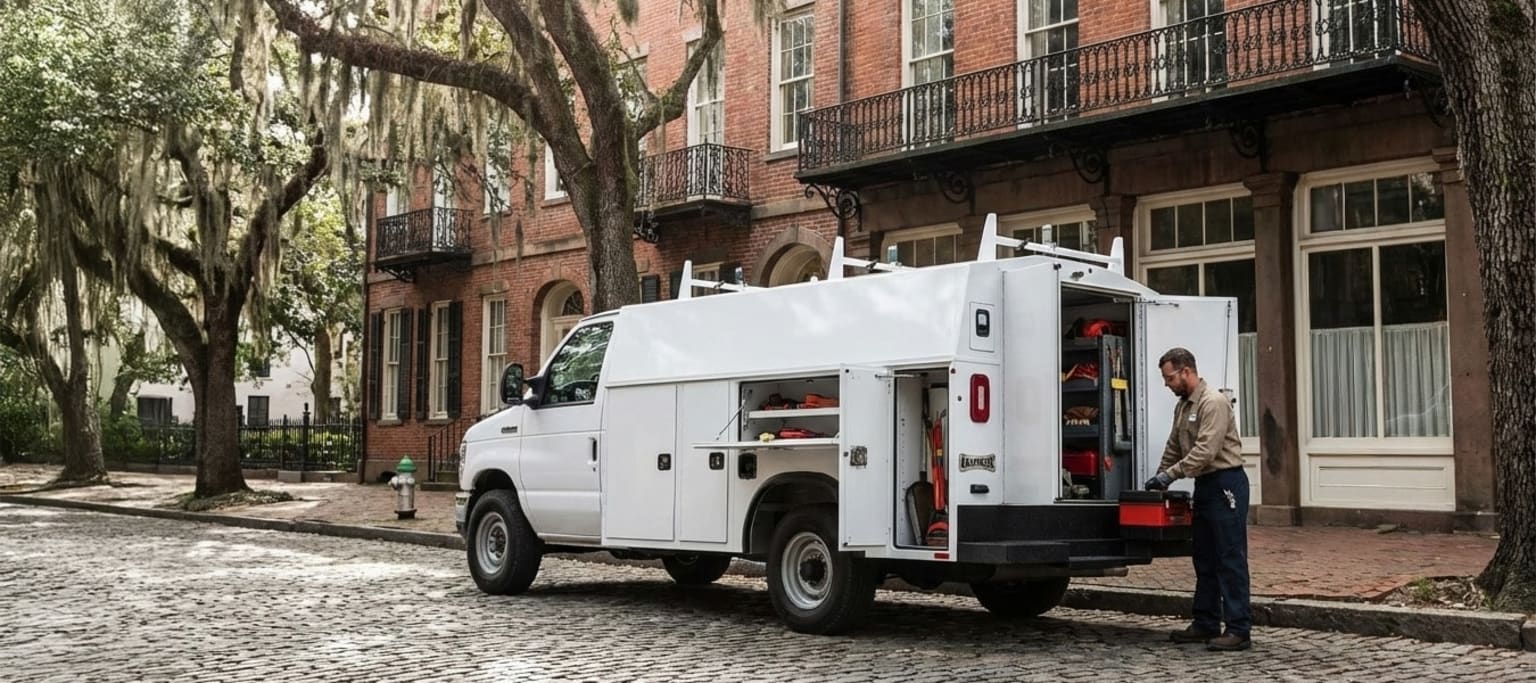
Knapheide Service Body for Your Ford Van
Knapheide Service Van Options for Commercial Work
Knapheide utility van upfits are built for crews that need secure tool storage, faster jobsite access, and a cleaner way to keep equipment organized without giving up daily drivability. From enclosed KUV service bodies to cutaway-based KUVcc configurations, these setups are designed to turn a commercial van platform into a purpose-built mobile workstation.
At J.C. Lewis Ford in Savannah, our commercial team can help you compare upfit paths based on how your crew works—trade, gear loadout, daily routes, and the kind of access you need on the job. For contractors in Bluffton, a Knapheide utility body can reduce time spent digging through cargo. In Beaufort, enclosed storage can help protect tools from weather and salt air.
If you’re searching for a Knapheide truck equipment center that can help you plan the right configuration, our team can walk you through body styles, equipment options, and practical add-ons—so the finished van supports the way your operation runs.
Utility Van Series: KUV & KUVcc Overview
Knapheide’s Utility Van Series includes two common approaches:
KUV (Service Utility Van bodies) designed for van cutaway applications with an enclosed cargo area and exterior compartments for daily-use tools.
KUVcc (Cutaway chassis utility van bodies) built for cutaway platforms where you want a fully enclosed service body with dedicated side compartments and a configurable rear work zone.
Both options emphasize a work-first layout: exterior compartments to keep the most-used gear accessible, an enclosed cargo area to protect high-value equipment, and structured storage that supports repeatable organization. Knapheide positions KUV utility van bodies as enclosed utility beds with exterior compartments and access through rear doors or the cab-side door, depending on the chassis setup.
| Utility Van Series | Construction | Designed For | Key Advantages |
|---|---|---|---|
| KUVcc Steel |
|
|
|
| KUVcc Aluminum |
|
|
|
Knapheide Service Vans For Sale
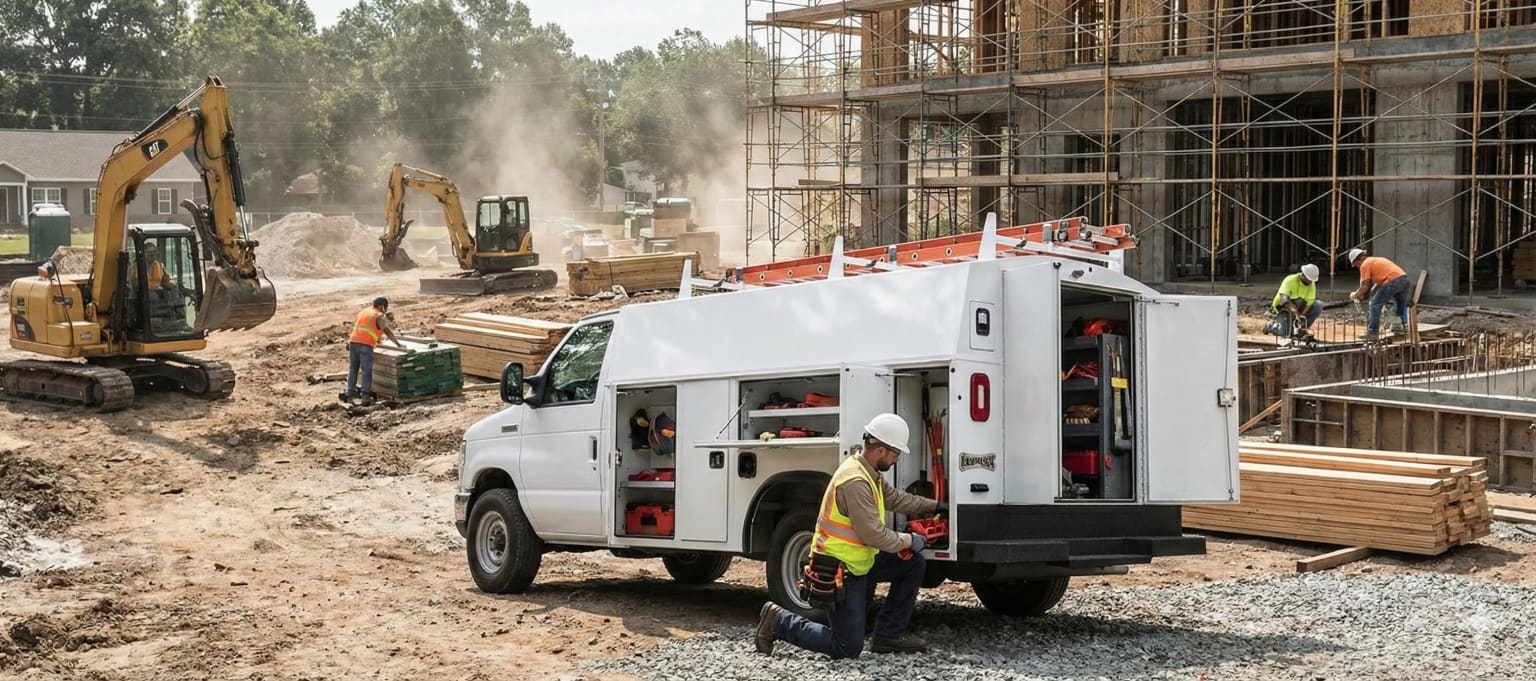
Knapheide Service Body Dimensions & Bed Size
Choosing the right Knapheide service van starts with understanding how much usable space you actually need on the job. Body length, interior height, compartment depth, and floor width all directly affect how tools are stored, how materials are loaded, and how efficiently your crew can move throughout the day.
Knapheide KUV and KUVcc bodies are offered in multiple body lengths and roof heights to support different trades and load requirements. Shorter bodies prioritize maneuverability and easier parking, while longer bodies increase interior cargo length for conduit, ladders, and bulk materials. Interior height options determine whether technicians can stand upright inside the cargo area, which can reduce fatigue and speed up workflow during service calls.
Exterior compartment depth and floor width play a major role in tool organization. Deeper compartments allow for larger equipment and stacked storage, while a consistent floor width supports shelving systems and secure mounting solutions. Matching these dimensions to your daily equipment load helps prevent wasted space and keeps frequently used tools within easy reach.
Below is the Dimensions & Bed Size table, which outlines available body lengths, heights, interior clearances, and key measurements so you can compare configurations and select the Knapheide service van setup that fits your operation.
| Body Length | Body Height | Overall Body Width | Floor Width | Compartment Depth | Interior Cargo Length | Clear Interior Height |
|---|---|---|---|---|---|---|
| 108" |
|
83.1" | 54" | 14.5" | 10' |
|
| 132" |
|
83.1" | 54" | 14.5" | 12' |
|
| 162" |
|
83.1" | 54" | 14.5" | 14' |
|
Knapheide Service Van Features
Knapheide service van features are designed to improve organization, reduce wasted movement, and keep essential tools accessible throughout the workday. Instead of a single open cargo area, KUV and KUVcc bodies use exterior compartments and structured interior storage to create a more efficient workflow from the moment you arrive on site.
Exterior side compartments allow technicians to access frequently used tools without climbing into the cargo area. Vertical and horizontal compartment layouts support different equipment types, while adjustable shelving lets crews tailor storage as job requirements change. This layout helps reduce downtime spent searching for tools and keeps equipment secured during transit.
Inside the cargo area, the enclosed service body provides protected space for larger items, bulk materials, and specialty equipment. Flat floor designs support shelving systems, bins, and mounts, making it easier to maintain consistent organization across multiple vehicles in a fleet. Rear door access and optional cab access doors help streamline movement between the cab and work area during service calls.
Durability and finish are also key features. Knapheide service van bodies are built to handle daily commercial use and are designed with smooth exterior panels that accommodate graphics and branding. Corrosion protection and heavy-duty hardware help extend service life, especially for vehicles that see year-round use.
Below is the Features table, which outlines standard equipment and functional highlights so you can compare how each configuration supports your work needs.
| Features | Included Details |
|---|---|
| Exterior Compartments |
|
| Interior Cargo Area |
|
| Doors & Access |
|
| Finish & Protection |
|
Safety Features & Worksite Protection
Safety is a critical part of any commercial service van, especially when vehicles are used daily in traffic, tight job sites, and active work zones. Knapheide service van safety features are designed to protect drivers, crews, and equipment while supporting compliance and visibility on the road.
Integrated lighting systems improve visibility during early morning, evening, and roadside work. LED stop, turn, tail, and backup lighting helps alert surrounding traffic, while optional strobe patterns add another layer of awareness when the vehicle is parked or operating in high-risk areas. These features are especially valuable for service crews working along busy roads or in low-light conditions.
Secure locking systems and reinforced compartment hardware help protect tools and equipment when the vehicle is unattended. Continuous hinges, heavy-duty latches, and pry-resistant designs reduce the risk of forced entry and help keep valuable gear secured between job sites.
Inside the vehicle, partitions and cab separation features add an important layer of protection. By separating the cab from the cargo area, these systems help prevent tools or materials from shifting forward during sudden stops. Ergonomically designed ladder racks and equipment mounts also reduce strain and lower the risk of injury during loading and unloading.
Below is the Safety Features table, which details how specific components contribute to visibility, security, and overall worksite safety.
| Safety Features | How It Helps |
|---|---|
| Integrated LED Lighting |
|
| Secure Locking Compartments |
|
| ABS Interior Partition |
|
| Heavy Duty Door Hinges & Latches |
|